Compare Local Contractors for Effective Disaster Restoration Services
Compare local contractors for disaster restoration to define scope, verify experience, and set clear expectations, ensuring a reliable, well-informed restoration process.
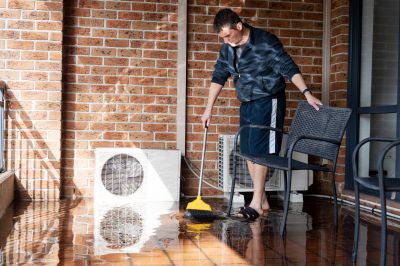
Disaster restoration contractors provide essential services for property owners facing damage caused by natural events such as storms, floods, fires, or other emergencies. Their work typically involves assessing the extent of damage, removing debris or standing water, cleaning affected areas, and performing repairs or structural stabilization. These professionals are equipped to handle a variety of issues that arise after a disaster, aiming to restore the property to a safe and functional condition. Understanding the scope of work covered by these contractors helps property owners prepare for the necessary steps involved in recovery and ensures that all critical aspects of the restoration process are addressed.
Defining the scope of a disaster restoration project is a vital step in working with contractors. A clear scope outlines the specific tasks, areas, and types of work needed to restore the property, which helps prevent misunderstandings and scope creep. When engaging with local service providers, it’s important to verify that they understand and agree upon the scope before work begins. This includes discussing the extent of damage, the types of services required, and any specific concerns or priorities. Having a written scope can serve as a reference point throughout the project, ensuring that expectations are aligned and that the work performed meets the property owner’s needs.
Property owners can make informed decisions by comparing local contractors based on experience, reputation, and the services they offer. It’s practical to review credentials such as past work, client references, and the types of damage they have handled successfully. When evaluating service providers, it’s helpful to ask about their familiarity with similar projects and their approach to defining and managing scope. Additionally, requesting a detailed, written proposal that outlines the work to be performed can facilitate comparison and help property owners identify the contractor that best aligns with their specific restoration needs. This process supports selecting a capable and reliable partner for disaster recovery efforts.
Compare local contractors by outlining project priorities, verifying experience, and establishing clear written expectations.
- Compare Service Providers - evaluate multiple local contractors to find the best match for disaster restoration needs.
- Define Project Scope - clearly outline the work to be performed and set expectations in writing.
- Verify Experience and Expertise - review the background and previous work of local contractors to ensure suitability.
- Establish Clear Communication - maintain open dialogue to confirm details and prevent misunderstandings during the project.

Clearly describe your disaster restoration project to help compare local contractors and set clear expectations.
- Verify the experience and reputation of local contractors specializing in disaster restoration services. - Ensure service providers have a proven track record in handling similar restoration projects.
- Compare the scope of work offered by different local contractors to meet specific restoration needs. - Clarify what tasks and services are included in each contractor’s proposal.
- Check that service providers clearly define project expectations and deliverables in writing. - Written agreements help prevent misunderstandings and set clear responsibilities.
- Assess the communication and professionalism demonstrated by potential contractors during initial interactions. - Effective communication is essential for a smooth restoration process.
- Ensure the scope and responsibilities are detailed in a comprehensive written contract before work begins. - A detailed contract provides a reference point and helps manage project expectations.
- Confirm that local contractors are experienced in handling the specific types of disaster restoration required. - Different disasters may require specialized skills and equipment.
Compare local contractors, clarify project scope, verify experience, and set clear expectations in writing.
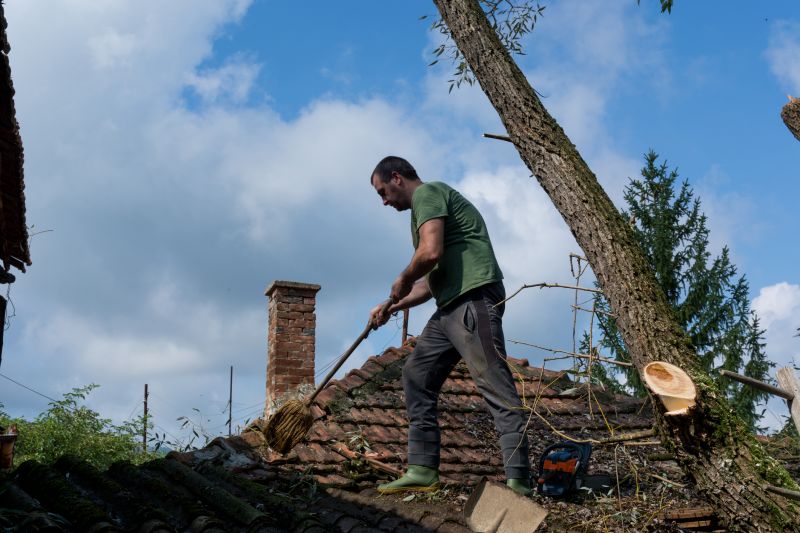


This scope builder helps compare disaster restoration contractors by defining work details, verifying experience, and setting clear expectations.
- Scope Definition - Clearly outline the specific restoration services needed for the disaster-affected area.
- Experience Verification - Confirm the service providers have relevant experience handling similar disaster restoration projects.
- Scope Comparison - Evaluate how different local contractors plan to address the restoration needs within the defined scope.
- Written Agreements - Ensure scope, responsibilities, and expectations are documented in a detailed written agreement.
- Qualifications and Capabilities - Assess the qualifications and resources of local contractors to handle the scope of restoration work effectively.
When comparing contractors for disaster restoration services, it’s important to consider their experience with similar projects. Service providers with a proven track record in handling situations like water damage, fire restoration, or storm-related repairs are more likely to understand the unique challenges involved. Inquire about their past work in your area or with comparable property types to gauge their familiarity with the specific requirements of your situation. A contractor’s history of successful restorations can offer insight into their ability to manage your project effectively.
A clear, written scope of work is a vital element when evaluating potential service providers. This document should outline exactly what tasks will be performed, the materials to be used, and the expected outcomes. Having a detailed scope helps set realistic expectations and provides a basis for comparing different contractors. It also ensures that there are no ambiguities or misunderstandings about what is included in the project, promoting transparency and accountability throughout the restoration process.
Verification of a contractor’s basic credentials and experience is essential for making an informed choice. Request references or case studies that demonstrate their ability to complete projects similar to yours. Confirm that they have a history of working in your local area, which can indicate familiarity with regional building codes and common issues. Additionally, verifying the contractor’s reputation through independent sources or industry directories can help identify service providers with a solid track record of reliable, quality work.
Evaluating options without focusing on prices involves assessing the quality of communication, professionalism, and the thoroughness of proposals. Look for service providers who provide comprehensive, written descriptions of their approach and scope, as this indicates attention to detail and clarity. Consider how well each contractor understands your needs and whether they can clearly explain their process. Comparing these qualities can help identify the most capable and trustworthy service providers, ensuring that the restoration work will be handled competently and in accordance with your expectations.
Ask for written scope and expectations to ensure clarity and consistency when comparing disaster restoration service providers.
- Experience and Expertise - How do contractors demonstrate their experience with disaster restoration projects similar to yours?
- Scope of Work - What specific tasks and services are included in each contractor’s scope for the restoration process?
- Insurance and Liability - How do contractors handle insurance claims and what liability coverage do they have?
- Project Approach and Methods - What methods and procedures do service providers plan to use to address your restoration needs?
- Written Documentation - Are the scope, expectations, and responsibilities clearly outlined in a written agreement?
How can I compare disaster restoration contractors? It’s helpful to review their experience, verify references, and check for clear written estimates to ensure they meet your project needs.
What should I consider when defining the scope of work? Clearly outline the damages to be repaired, the extent of restoration needed, and any specific requirements to help contractors provide accurate proposals.
How do I verify a contractor’s experience? Request details about their past projects, ask for references, and confirm how long they have been providing disaster restoration services in your area.
Why is it important to have work expectations in writing? Written agreements help prevent misunderstandings, specify the scope, and set clear responsibilities for the restoration process.
What questions should I ask potential service providers? Inquire about their previous experience, the process they follow, and how they handle unexpected issues during restoration projects.
How can I ensure a contractor is suitable for my project? Review their credentials, compare their service offerings, and verify their familiarity with the specific type of disaster restoration needed for your situation.
Understanding the key aspects of disaster restoration contractor services helps in making informed decisions. Visitors have learned how to compare local contractors effectively, define the scope of work, verify experience, and set clear expectations through written agreements. This approach ensures a thorough and organized process when selecting service providers for restoration needs.
Using the quote form allows for easy comparison among nearby contractors, helping to identify options that align with specific project requirements. Connecting with trusted local service providers through this tool can streamline the process of finding qualified contractors capable of handling restoration work efficiently.